Amazon's 2026 FBA Labeling Rules Are Now 100% on You. Is Your Labeling Ready?
News Details
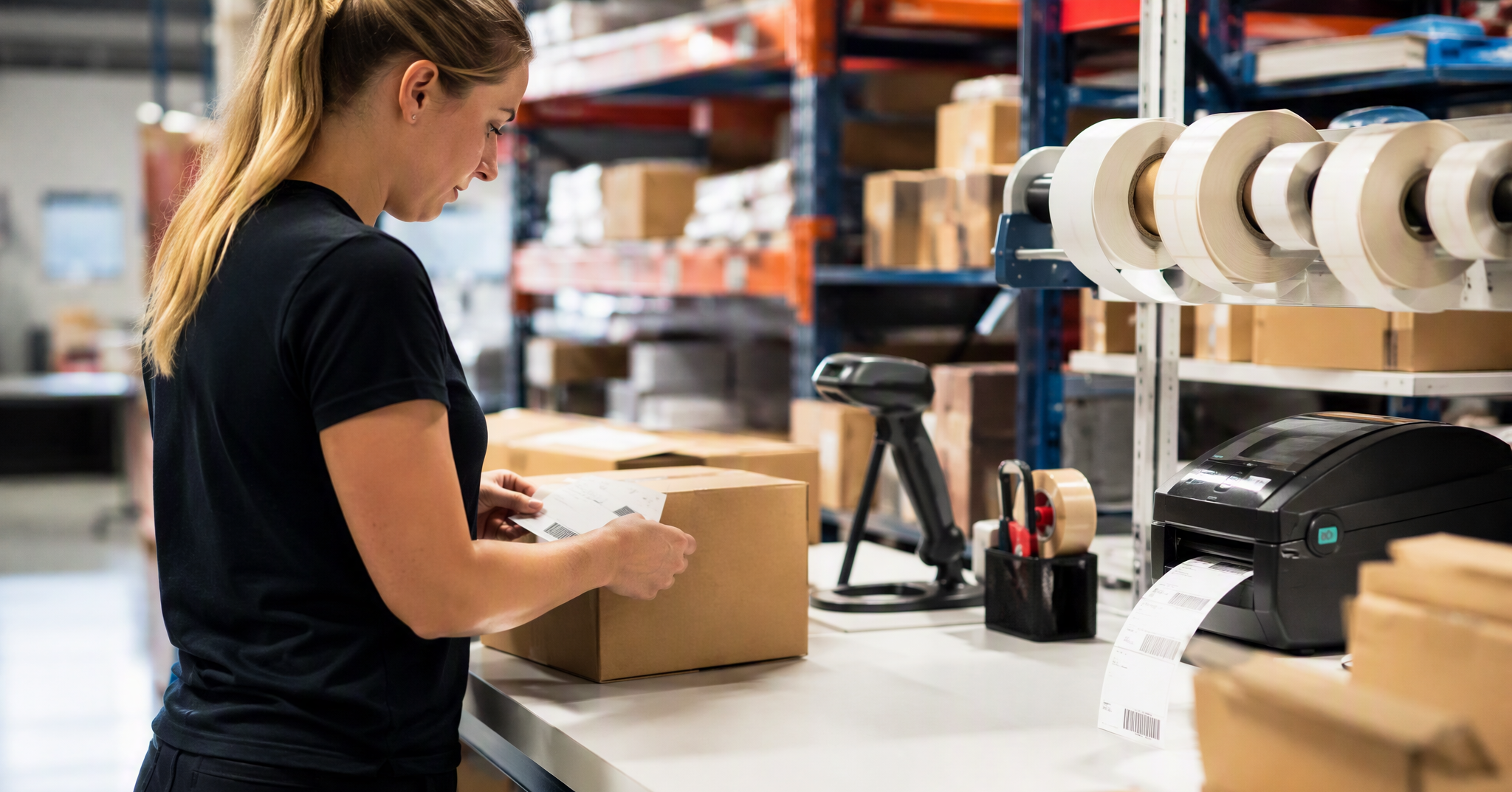
Heads up, sellers: from January 1, 2026, Amazon stops prepping and labeling inbound FBA units for you. Every barcode, poly bag, and warning label has to be right before your shipment leaves the warehouse. Miss the mark and you’re looking at defect fees, refused inventory, or worse — disposal. Labeling isn’t a warehouse detail anymore. It’s your compliance gate.
The biggest shift? Unit barcodes. Commingled inventory ended on March 31, 2026, so unless you’re Brand Registered, every single unit now requires its own FNSKU label. Specs are strict: Code 128 format, minimum 300 DPI, matte white stock only (glossy labels fail at the scanner), sized between 1” x 2” and 2” x 3”, applied to a flat surface, and fully covering any manufacturer barcode underneath. Reliable, print-consistent barcode labels are now table stakes. Pro tip: print a test sheet and scan it with any barcode app before you commit to a full run — two minutes of checking beats a rejected truckload at the fulfillment center.
Warning labels have their own rulebook. Poly bags with a 5-inch or wider opening need a suffocation warning in 24-point font or larger. Cartons over 50 lb require Team Lift labels; over 100 lb, Mechanical Lift. Bundles need Sold as Set labels. And remember — your cartons travel thousands of miles before they hit an Amazon dock. High-tack shipping labels and durable warning stickers that survive ocean freight aren’t optional.
With Q4 peak inventory moving from August through October, a rejected shipment now can cost you the whole season. We manufacture FNSKU-ready barcode labels, shipping labels, and warning sticker series built for export — custom sizes, free samples, fast quotes. Share your box specs and monthly volume, and we’ll match the right material and adhesive. Let’s get your next shipment checked in clean, the first time.


