# Waterproof Labels 101: How to Choose a Label That Actually Survives Water Let’s cut to the chase: most "waterproof" labels aren’t. They might survive a quick splash. Maybe a wipe-down. But the moment you try to stick them on a water bottle, a boat cooler, or a shower caddy? They peel, smudge, or fall off. So what *actually* makes a label waterproof? Let’s break it down. ## First: Waterproof ≠ Water-Resistant This is the mistake everyone makes. Water-resistant labels can handle mild moisture. A little humidity. Maybe a rinse. Waterproof labels? They need to survive being fully submerged, washed, frozen, or rained on repeatedly. That’s a completely different bar. So before you buy anything, ask: Will this just get splashed? Or will it actually get wet? ## The 3 Things That Make a Label Truly Waterproof If you want a label that survives water, you need all three: 1. **Waterproof Face Material** The material is the label body. Paper is out. Vinyl, polyester, or synthetic films are in. These don’t absorb water. 2. **Waterproof Adhesive** Even the best material fails if the glue lets go. Permanent, pressure-resistant adhesives are non-negotiable here. 3. **Smudge-Proof Print or Lamination** If the ink runs, the label looks garbage no matter how well it sticks
News Details
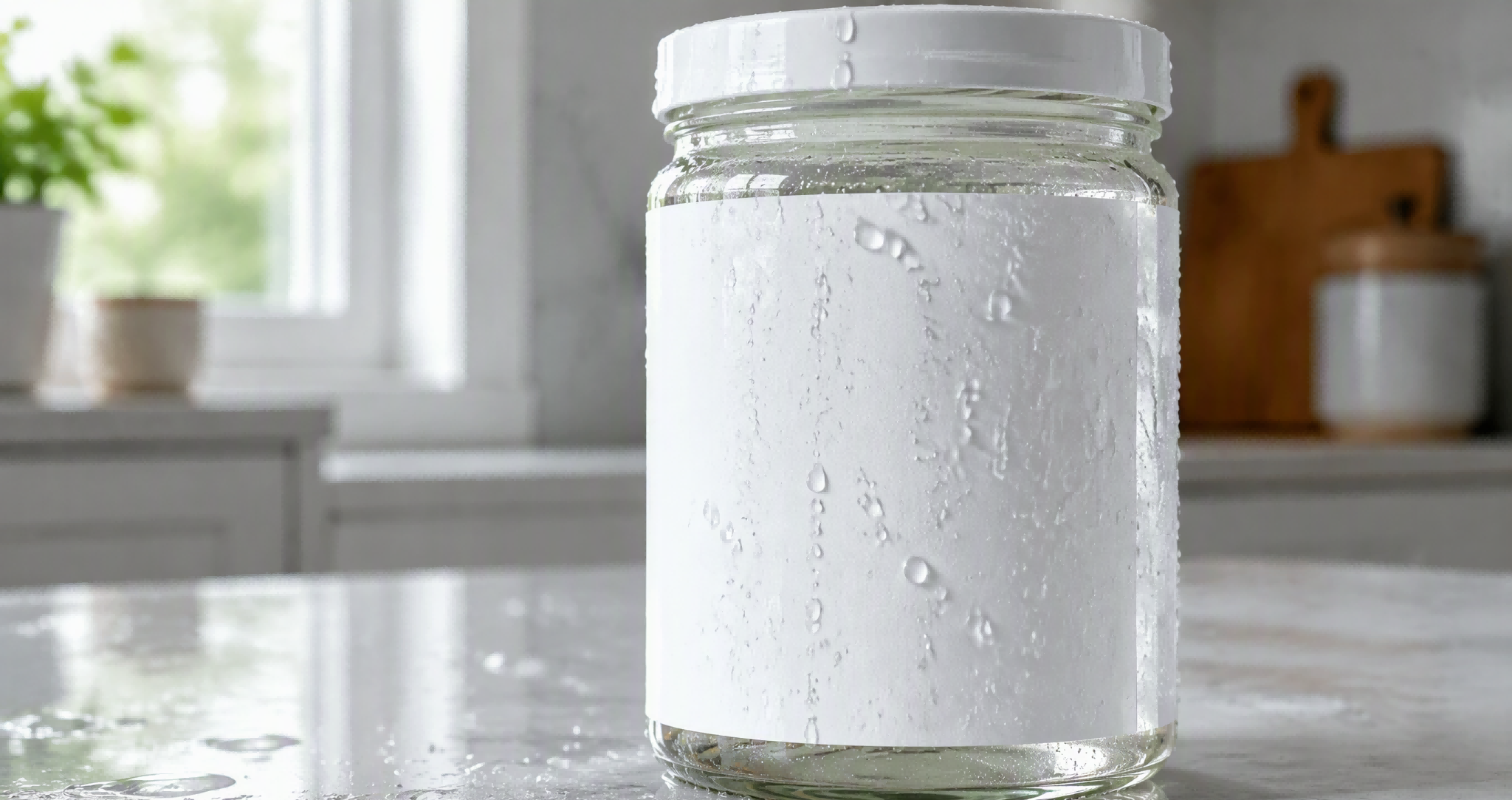
"Waterproof" is one of the most searched label features in the US — and one of the most misunderstood. A label that shrugs off a splash can still fail in a freezer, a bathroom, or on a rainy delivery route. The secret to picking real waterproof labels? Start with the facestock.
Here's the breakdown. Paper-based labels — coated paper, direct thermal — are built for dry, indoor, short-term use. A 3-proof thermal label adds water, oil, and scratch resistance, which covers fresh food dates and parcel labels just fine. But its paper core still soaks up moisture over time. Want true waterproof performance? Go film: PP, PE, PET, or vinyl facestocks don't absorb water at all. Pair them with the right adhesive, and your labels survive refrigerators, bathrooms, ice buckets, even outdoor exposure. One more trick: a clear laminate over any printed label adds a waterproof, scratch-proof shield — it's why laminated labels are the go-to choice for cosmetics and beverage bottles.
Don't forget the glue. Standard acrylic adhesive can soften in water. Freezer-grade adhesive grabs at -18°C, even on frosty surfaces. Removable adhesive peels clean, zero residue. And your print method matters too: thermal transfer with a resin ribbon gives you the most water- and smudge-proof image out there, while direct thermal fades faster under heat and friction. Our synthetic paper labels are purpose-built for exactly these tough environments.
Quick picker: kitchen and bath containers → PP or PET film. Cold chain and frozen food → PP synthetic plus freezer adhesive. Parcels and fresh food → 3-proof thermal. Premium branding → laminated custom printed labels with a clear waterproof shield on top. Tell us your container, your environment, and how long the label needs to last — we'll spec the right combo and ship you free samples to test. No guesswork.


