Custom Label Paper for Product Packaging and Branding
News Details
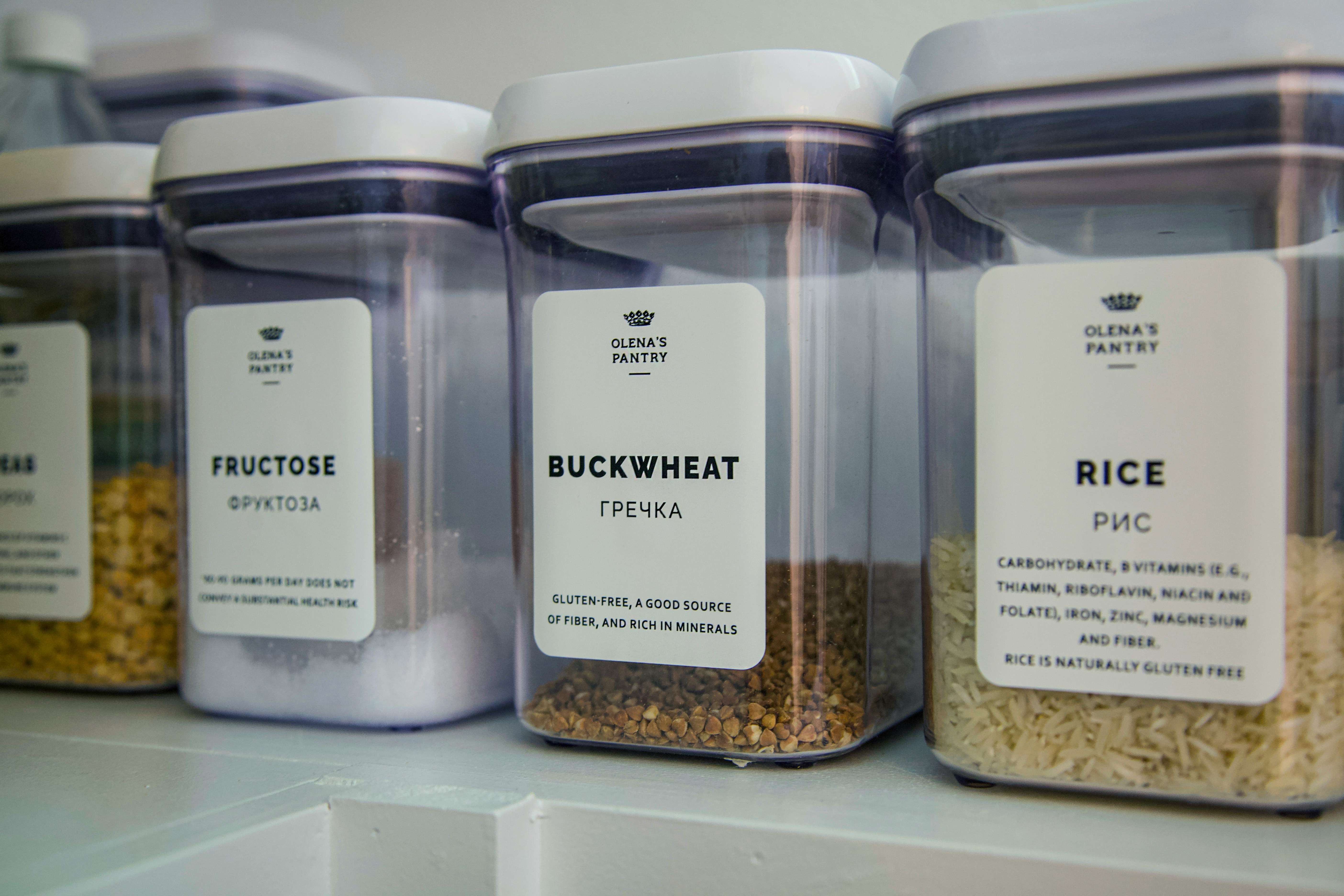
Custom label paper is an integral part of product packaging, helping businesses showcase product information, convey brand image, and improve product identifiability. At the same time, a well-designed label can enhance the overall appearance of packaging and facilitate consumers in obtaining the required information.
At present, custom label paper is widely used in the food, beverage, cosmetics, household, and other product sectors. However, different products have different requirements for label materials. Therefore, choosing the appropriate label paper is crucial for product protection and brand presentation.
This article will introduce the main types of custom label paper, common application scenarios, and how to select the appropriate material based on packaging needs.
What is custom label paper for product packaging?
Custom label paper is a material used to make product labels, packaging labels, bottle and jar labels, box labels, container labels, etc. Labels can be printed with brand names, logos, product information, barcodes, and other content.
Compared to regular paper labels, custom label paper can be adjusted according to product-specific needs. For example, businesses can choose different paper types, sizes, shapes, surface treatments, and adhesives.
In addition, custom labels can also be coordinated with the brand's visual identity and design style, creating a unified and consistent visual effect across various products.
The common characteristics of custom label paper include:
- Customized sizes and shapes
- Various types of paper surfaces and treatments
- Suitable for printing logos and product information
- Adhesives suitable for different packaging materials
- Materials suitable for different product uses
Therefore, custom label paper can achieve the organic combination of product information and brand design in a practical way.
Why is custom label paper important for branding?
Product packaging is often the first brand impression for consumers. Therefore, choosing the right label can help a product stand out on the store shelf or in product photos.
Custom label paper builds brand recognition
Clear logos, coordinated colors, and consistent designs help consumers identify a brand. For example, businesses can apply similar label styles across multiple product lines, enhancing product association and brand consistency.
Custom labels enhance product presentation
Different paper surfaces can create different visual effects. Smooth white paper presents a simple and clean style, while textured paper can create a more natural or premium feel.
In addition, businesses can also match packaging designs through custom shapes and treatments, which is particularly important for cosmetics, gifts, specialty foods, and other products with high visual requirements.
Custom label paper conveys key product information
Labels can also help consumers understand what they are buying. Depending on the product and relevant regulations, labels may include ingredients, product names, usage instructions, warnings, barcodes, and manufacturer information.
Therefore, label design should balance aesthetics and readability, ensuring that important information is clear and legible.
What are the main types of custom label paper?
Different types of label paper have different characteristics. Before selection, businesses should consider factors such as the product itself, packaging surface, usage environment, and printing method.
Coated label paper for clear and vivid printing
Coated label paper has a smooth surface and is suitable for high-quality printing. It can produce sharp text, vivid colors, and detailed images.
Therefore, it is often used in product labels that require clear graphics and good appearance, such as retail packaging, cosmetics, daily chemical products, and general product labels.
However, the final printing effect will also be affected by factors such as paper quality, ink, and printing process.
Uncoated label paper for a natural texture
Uncoated label paper has a natural paper texture. Many brands that prefer a simple, concise, or traditional style will choose this material.
For example, it is suitable for bakery products, handmade products, craft items, and some food packaging. At the same time, it can also match designs with simple text and fewer colors.
However, uncoated paper may have different ink absorption from coated paper, so it is recommended to test print before large-scale use.
Textured label paper for premium packaging
Textured label paper has a special textured surface, which can increase layers and visual appeal, making the product look more refined without relying on complex graphics.
This type of label paper is often used in wine bottles, gift boxes, cosmetics, and specialty products, and can also help brands create a unique packaging style.
Even so, businesses should still confirm the compatibility of the material with printers, adhesives, and packaging surfaces.
Wet-strength label paper for humid environments
Some products may encounter moisture during storage, transportation, or use. In such cases, wet-strength label paper may be a suitable choice.
Compared to ordinary paper, this paper can better maintain its structural strength in wet conditions. Depending on the product grade and adhesive type, it can be used for certain beverage containers, refrigerated products, or other packaging exposed to humid environments.
However, wet-strength paper does not mean it is completely waterproof. If the label needs to be resistant to water, oil, or frequent cleaning, the overall label structure should be evaluated.
How to choose the right custom label paper?
Choosing the appropriate custom label paper is not only about selecting an attractive design. Businesses also need to consider the label's performance in printing, packaging, transportation, and daily use.
Consider the product and packaging surface
First, determine the surface to which the label will be applied. Common surfaces include glass, plastic, metal, corrugated board, and paperboard.
Different surfaces have different characteristics. For example, a label that adheres well to a corrugated box may not perform well on a curved plastic bottle.
Therefore, it is necessary to evaluate the label material and adhesive together, and conducting a sample test can better confirm whether the label can maintain good adhesion.
Choose label paper based on the environment
Secondly, consider the environment in which the product will be stored and used. Ordinary indoor dry products may only require standard label paper. In contrast, products exposed to moisture, high temperatures, low temperatures, or friction may require more suitable materials.
For example, refrigerated food packaging may require labels that can withstand low temperatures and condensation. On the other hand, products stored in dry warehouses may have lower environmental requirements.
Understanding these environmental conditions in advance can reduce the risk of label damage and peeling.
Match custom label paper to the printing method
Different printing methods are suitable for different label materials. Common printing methods include digital printing, flexographic printing, and offset printing.
Digital printing is suitable for small-batch production, product customization, and design changes. Flexographic printing is often used for large-volume label orders. Offset printing may be suitable for some high-precision paper printing requirements.
However, not all label paper is compatible with all printing equipment. Therefore, before placing an order, it is necessary to confirm the material compatibility with the printing supplier.
Select the appropriate adhesive for custom labels
Adhesive is equally important as the paper material. Labels may require permanent adhesion, removable adhesion, or adhesives suitable for specific surfaces or temperature ranges.
For example, shipping labels often need to remain adhered to the package during transportation. On the other hand, some retail labels need to be easily removed without leaving residue.
Before choosing an adhesive, consider the packaging material, surface condition, application temperature, and intended storage environment.
Balance label quality and cost
Price is also an important consideration. However, the lowest-priced material may not always be the best choice.
Labels that peel off, fade, or become illegible can cause additional work and negatively impact the consumer experience. Therefore, businesses should comprehensively compare material costs, print quality, adhesive performance, and potential waste.
Requesting samples and testing them on actual packaging can help businesses find a balance between cost and performance.
How do custom label papers support different industries?
Custom label paper is widely used in various industries. However, each industry has its own packaging characteristics.
Custom label paper for food packaging
Food labels often need to display product names, ingredients, dates, storage conditions, and other required information. Therefore, label paper should support clear printing and be suitable for the product's packaging environment.
For refrigerated or frozen products, low temperatures and condensation should also be considered. At the same time, relevant food labeling regulations should be confirmed before determining the design.
Custom label paper for cosmetics and personal care products
Cosmetic packaging usually focuses on both aesthetics and clear product information. Labels may include brand names, product types, usage instructions, and ingredient information.
Coated or textured label paper can create different brand styles. However, products used in bathrooms or other humid environments may require better moisture resistance.
Custom label paper for beverages
Beverage labels need to adapt to various containers such as bottles and cans. At the same time, they should remain adhered to the container during storage and handling.
For refrigerated beverages, moisture resistance is particularly important. Therefore, businesses should test the paper and adhesive under the expected storage conditions.
Custom label paper for household products
Household products include cleaning agents, detergents, and other daily necessities. Their labels may need to withstand frequent handling and contact with water or product residues.
In this case, the selection of label material should consider the chemical properties of the product and the usage environment. For products with strong detergency, material compatibility should be carefully verified.
Custom label paper for logistics and retail packaging
Logistics and retail labels are used to identify products, display barcodes, and support inventory management. Clear printing and reliable adhesion are essential.
For logistics applications, labels need to remain legible during transportation. At the same time, retail product labels should coordinate with the package and reflect the brand's overall design.
What should be included in a custom label paper order?
To obtain the appropriate label material, clear specifications should be prepared before contacting the supplier. This can reduce misunderstandings and facilitate comparison of different options.
Order details may include:
- Label size and shape: Provide the required width, height, and shape.
- Paper type: Specify coated, uncoated, textured, or other suitable types.
- Printing method: State whether digital, flexographic, or other printing processes will be used.
- Adhesive type: Specify whether permanent, removable, or special-purpose adhesive is needed.
- Surface treatment: Choose a treatment that matches the design and product needs.
- Usage environment: Describe factors such as humidity, temperature changes, friction, or other conditions.
- Order quantity: Provide the expected order volume and whether repeat orders are needed.
- Design artwork and colors: Provide the logo, design files, and printing requirements.
In addition, it is recommended to request samples when possible. Testing samples on actual packaging can verify print quality, adhesion, and overall appearance before production.
Why collaborate with a custom label paper supplier?
A reliable custom label paper supplier can help businesses select materials that suit their packaging and printing needs.
First, experienced suppliers can explain the differences between various paper grades, coatings, and adhesive options. This can make material selection easier, especially when the product has special requirements.
Secondly, suppliers that support customization can provide various sizes, treatments, and material options, giving businesses more control over the final label design.
Finally, clear communication regarding specifications, sample confirmation, production cycle, and quality control can help improve the predictability of the ordering process.
Before choosing a supplier, evaluate their product range, sample service, customization capabilities, and quality control process. At the same time, confirm whether their materials are suitable for your intended application scenario.
Frequently asked questions about custom label paper
Can custom label paper be made in different sizes?
Yes. Many suppliers offer custom label sizes and shapes. The available options depend on the paper material, printing process, and production equipment. Communicate your packaging dimensions with the supplier to confirm what is feasible.
Is custom label paper suitable for waterproof labels?
Some paper grades are designed to better withstand moisture than standard paper. However, not all paper labels are waterproof. If your product requires strong water resistance, inquire about suitable materials, coatings, and adhesives, and conduct complete label testing under actual usage conditions.
Which custom label paper is best for product packaging?
There is no universal best option for all products. Coated paper may be suitable for bright, detailed designs, while uncoated paper can create a natural texture. Textured paper may be ideal for premium packaging. The best choice depends on the product, surface, printing method, and storage environment.
Can custom label paper include a company logo?
Yes. Custom label paper can be printed with company logos, brand colors, product names, barcodes, and other information. For optimal results, prepare clear artwork and confirm printing requirements with your supplier.
How to reduce the cost of custom label paper?
Start by choosing a paper grade that meets your actual needs. Then, compare suppliers, evaluate order quantities, and avoid unnecessary treatments or design changes. At the same time, conduct sample tests to ensure that lower-cost options still meet your quality standards.
Conclusion: Choose custom label paper that suits your brand
Custom label paper plays an important role in product packaging, brand recognition, and product information delivery. By selecting the appropriate paper, adhesive, and printing method, businesses can create labels that are visually appealing and perform well in actual use.
However, the best choice depends on the product and its packaging environment. Therefore, before making a decision, consider factors such as surface, moisture exposure, printing requirements, order quantity, and overall cost.
By collaborating with suitable suppliers and conducting sample tests before production, businesses can find custom label paper that meets their packaging goals and brand image.


