Waterproof Label Paper for Daily and Industrial Use
News Details
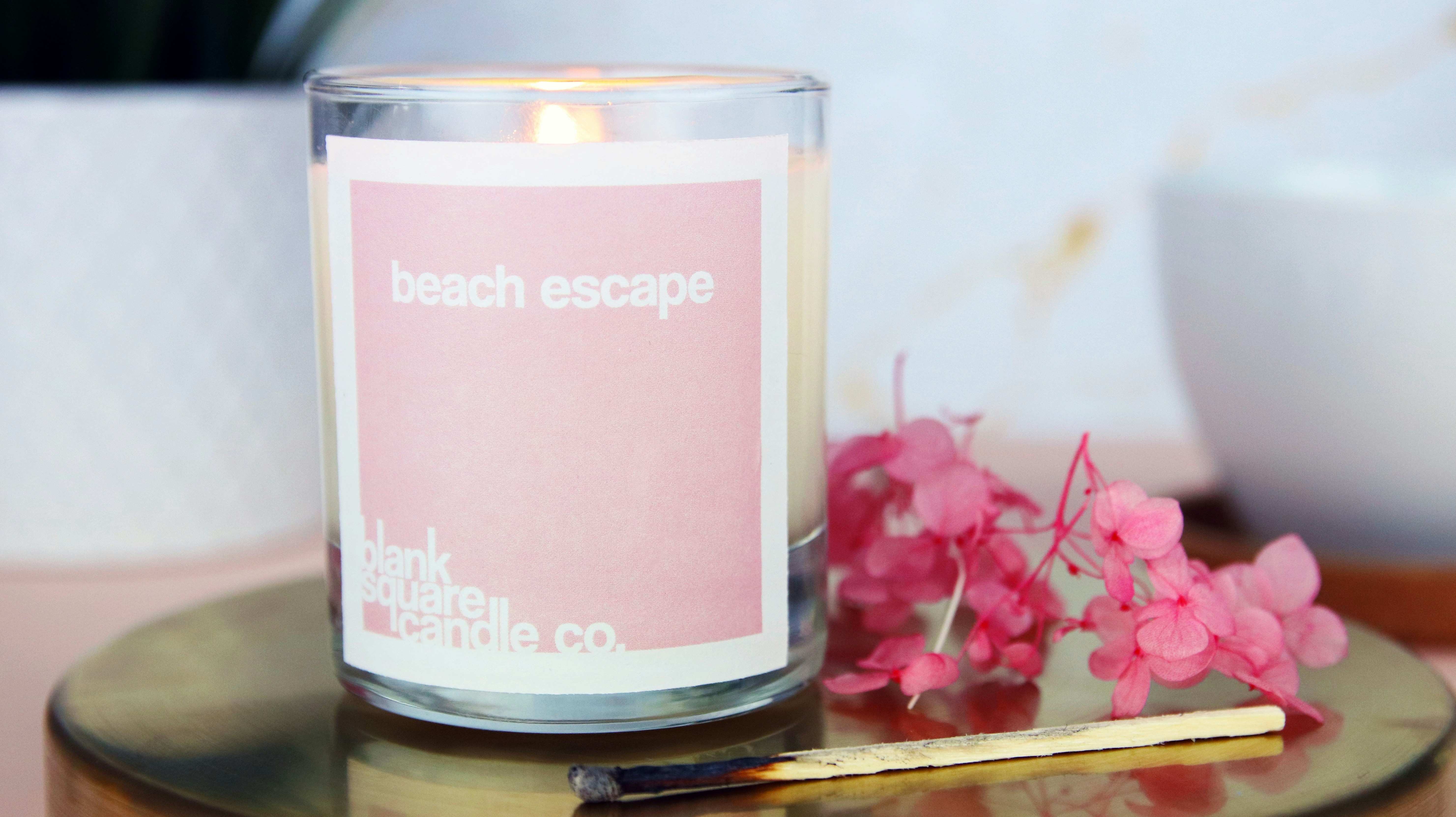
Waterproof label paper is a practical choice for products exposed to water, moisture, oil, or frequent handling. It helps labels remain clear and legible in everyday life and industrial settings. For example, waterproof labels are used on food packaging, cosmetic bottles, chemical containers, electronic products, and warehouse goods.
However, not all label paper offers the same level of water resistance. The right choice depends on the product, the surface, the storage conditions, and the type of printing. Therefore, it is important to understand the main features of waterproof label paper before selecting a material.
What Is Waterproof Label Paper?
Waterproof label paper is a label material designed to resist water and moisture. Unlike standard paper labels, it can better protect printed text, images, and barcodes from damage when exposed to wet conditions.
Many waterproof labels use synthetic materials, such as polypropylene (PP) or polyethylene (PE), instead of regular paper. Some products also use special coatings to improve water resistance.
However, waterproof performance depends on more than the face material. The adhesive, ink, surface coating, and label design also affect how well the finished label performs.
For this reason, buyers should check the complete label material rather than focus only on the word "waterproof."
Key Benefits of Waterproof Label Paper
Waterproof label paper offers several benefits for both daily and industrial use. Here are the main advantages.
Improved Resistance to Water and Moisture
First, waterproof label paper helps labels remain legible in damp conditions. It is useful for products stored in refrigerators, bathrooms, warehouses, and other places where moisture is common.
In addition, suitable waterproof materials can reduce the risk of labels becoming soft, wrinkled, or torn when exposed to water.
Clear Printing and Easy Reading
A good label must provide clear product information. Waterproof label materials can support text, logos, barcodes, and other printed details.
Moreover, the right combination of material and ink helps keep important information readable during storage and use. This is especially important for product labels, shipping labels, and industrial identification labels.
Enhanced Durability for Daily Handling
Labels are often touched, moved, packed, and stored many times. Therefore, they need to withstand normal handling.
Depending on the material, waterproof labels may also offer better resistance to tearing and wear than standard paper labels. However, buyers should test the label if it will face frequent rubbing or harsh working conditions.
Suitable for Many Applications
Another key benefit is flexibility. Waterproof label paper can be used in many industries, from food and personal care to manufacturing and logistics.
As a result, businesses can choose different label materials to meet their needs without changing the basic labeling process.
Common Types of Waterproof Label Paper
Choosing the right waterproof label material is essential. Different materials offer different levels of durability, print quality, and cost.
PP Waterproof Label Material
Polypropylene, also known as PP, is a common choice for waterproof labels. It is lightweight, water-resistant, and provides a smooth surface for printing.
PP labels are often used on cosmetic bottles, household products, personal care items, and other consumer goods. They are also suitable for many applications that require a clean and professional appearance.
However, the final performance depends on the grade of material, adhesive, and printing method.
PE Waterproof Label Material
Polyethylene, or PE, is a flexible material that works well on curved or squeezable containers. For example, it is often used on bottles and packaging that need to bend during use.
Compared with more rigid label materials, PE can adapt better to some uneven or flexible surfaces. Therefore, it may be a good choice for products that are squeezed or handled frequently.
Still, buyers should confirm that the adhesive is suitable for the container surface and expected storage conditions.
Waterproof Coated Paper Labels
Some labels use paper with a special protective coating. This coating can improve moisture resistance and help protect the printed surface.
Coated paper labels may be suitable for applications that require a paper-like look and feel. However, they should not automatically be treated as fully waterproof.
In particular, water resistance may vary depending on the coating, paper base, and exposed edges. If a label will be soaked or used outdoors for long periods, a synthetic material may be a better option.
Daily Uses of Waterproof Label Paper
Waterproof label paper is widely used in daily products because many packages come into contact with water or moisture.
Food and Beverage Packaging
Food and beverage products often need labels that remain legible during storage and handling. Waterproof labels can be used on bottles, jars, containers, and selected refrigerated products.
For example, labels on drink bottles may face condensation when products move from a refrigerator to room temperature.
Therefore, buyers should choose a material and adhesive that can handle the actual storage conditions. They should also check any food-contact or packaging requirements that apply to the product.
Cosmetic and Personal Care Products
Cosmetic bottles, shampoo containers, lotion tubes, and skincare packages may be exposed to water in bathrooms or during daily use.
Waterproof label materials help product names, instructions, and brand details remain clear. In addition, PP and PE materials can work well for many plastic containers.
For the best results, the label should match the container shape and surface. A flexible material may be more suitable for a squeezable tube, while a stable material may work well on a rigid bottle.
Household Cleaning Products
Cleaning products are often stored near sinks, in bathrooms, or in utility rooms. As a result, their labels may face splashes, moisture, and regular handling.
Waterproof labels can help keep product names and usage instructions legible. For stronger chemical exposure, however, water resistance alone may not be enough.
Buyers should also test resistance to the specific cleaning agents, oils, or chemicals that may come into contact with the label.
Industrial Uses of Waterproof Label Paper
In industrial settings, labels often need to do more than display product names. They may also carry batch numbers, safety details, barcodes, and tracking information.
Warehouse and Shipping Labels
Warehouse labels help staff identify products, manage stock, and track goods during transport. However, packages may face rain, condensation, or damp storage areas.
Water-resistant label materials can help protect key information in these conditions. At the same time, the adhesive must hold firmly to cardboard, plastic, metal, or other packaging surfaces.
For outdoor shipments, buyers should also consider sunlight, temperature changes, and abrasion during transport.
Chemical Container Labels
Chemical containers often require clear and durable identification. Depending on the application, labels may need to resist water, oils, solvents, or other substances.
Therefore, buyers should not choose a label based on water resistance alone. Instead, they should check chemical compatibility, adhesive strength, print durability, and relevant labeling regulations.
The finished label should remain legible throughout the expected period of use.
Electronic and Industrial Equipment Labels
Electronic devices and industrial equipment may need labels for model numbers, serial numbers, warning details, and maintenance records.
Waterproof synthetic labels can be useful in workshops, production areas, and other environments where moisture may be present.
However, the right choice depends on the equipment surface and working conditions. For example, labels used outdoors may need added resistance to sunlight and temperature changes.
How to Choose the Right Waterproof Label Paper
Before buying waterproof label paper, consider the following factors. This process can help you find a material that fits both the product and the working environment.
Check the Level of Water Resistance
First, determine how much water the label will be exposed to. Some products only need protection from occasional splashes, while others may need to withstand regular washing or long periods in wet conditions.
For light moisture, coated paper may be sufficient. In contrast, synthetic PP or PE materials may be more suitable for demanding applications.
If the label will be submerged in water, test the complete label under real use conditions before placing a large order.
Choose the Right Adhesive
The face material is only one part of a waterproof label. The adhesive also plays a major role.
For example, a label for a plastic bottle may need a different adhesive from one used on a metal machine part. Curved surfaces, rough textures, low temperatures, and moisture can also affect adhesion.
Therefore, check the surface type, application temperature, service temperature, and expected exposure to water before choosing an adhesive.
Match the Material to the Printing Method
Different label materials work with different printing methods. Common options include thermal transfer, inkjet, laser, and flexographic printing, depending on the material and label system.
However, not every waterproof material is compatible with every printer. In addition, some inks may fade, smear, or lose their adhesion when exposed to water.
As a result, buyers should confirm printer compatibility and test the printed label before production.
Consider Temperature and Outdoor Conditions
Some labels work well indoors but perform poorly under direct sunlight, high heat, or freezing conditions.
If the label will be used outdoors, consider UV exposure, rain, humidity, and temperature changes. For refrigerated products, check performance at low temperatures and whether the label will be applied to a cold or wet surface.
By checking these conditions early, you can reduce the risk of label failure during use.
Compare Cost and Service Life
Price is important, but the cheapest material may not provide the best value.
For instance, a low-cost label that peels off or becomes unreadable may lead to rework, product waste, or tracking problems. On the other hand, an expensive material may offer features that a basic application does not need.
Therefore, compare the material cost with expected service life, printing needs, adhesive performance, and order volume.
Waterproof Label Paper vs. Regular Paper Labels
Waterproof label paper and regular paper labels serve different purposes.
Regular paper labels are often suitable for dry indoor environments where the label does not face much moisture. They can be a practical choice for general product information, office use, and short-term labeling.
Waterproof label materials are better suited to applications where water resistance and durability are important. They are often used for refrigerated products, cleaning supplies, shipping goods, and industrial equipment.
However, waterproof labels usually cost more than basic paper labels. In addition, a waterproof face material does not guarantee that the adhesive or printed image will also resist water.
The best choice depends on the application. If the label will stay dry, regular paper may be sufficient. If it must remain legible in wet conditions, a suitable waterproof material is usually the safer option.
Common Mistakes When Buying Waterproof Label Paper
Even when buyers understand the main material types, a few common mistakes can still cause problems.
First, choosing a label only by its face material can lead to poor results. The adhesive and ink must also suit the application.
Second, assuming that every waterproof label can withstand chemicals or outdoor use may result in early damage. Water resistance, chemical resistance, and UV resistance are different properties.
Third, skipping application tests can create problems after mass production begins. A label that works on a flat surface may not adhere well to a curved or flexible container.
Finally, ignoring storage and application temperature can reduce adhesive performance.
To avoid these issues, test the complete label on the actual product under realistic conditions. This step can help confirm print quality, adhesion, and durability before a large order is placed.
Frequently Asked Questions About Waterproof Label Paper
Is Waterproof Label Paper Completely Waterproof?
Not always. Some materials resist splashes and moisture, while others can handle more demanding wet conditions.
The result also depends on the adhesive, ink, coating, and label construction. Therefore, check the product specifications and test the label under the expected conditions.
Can Waterproof Label Paper Be Used Outdoors?
Yes, some waterproof label materials are suitable for outdoor use. However, water resistance alone does not ensure long-term outdoor performance.
For outdoor labels, check resistance to sunlight, temperature changes, abrasion, and moisture. A material designed for outdoor use is often a better choice for long-term exposure.
Does Waterproof Label Paper Work With All Printers?
No. Printer compatibility depends on the material and printing technology.
Before purchasing, confirm that the label supports your printer and ink or ribbon type. A small print test can help you check image quality, drying, and water resistance.
How Can I Make Waterproof Labels Last Longer?
Start by choosing a suitable face material, adhesive, and printing method. Next, apply the label to a clean and dry surface whenever the product instructions require it.
In addition, allow the adhesive and ink to reach their recommended performance before exposing the label to water. Finally, test the label under the actual storage and use conditions.
Conclusion: Choose Waterproof Label Paper for Your Application
Waterproof label paper is a practical solution for daily products and industrial applications that are exposed to water or moisture. It can help protect printed information, improve label durability, and support product identification.
However, the best material depends on the level of water exposure, surface type, adhesive needs, printing method, and service environment.
By comparing PP, PE, and coated paper options, businesses can choose a label material that meets their needs and budget. Most importantly, testing the complete label before mass production helps ensure reliable performance in real use.
Whether you need labels for food packaging, cosmetics, warehouse goods, or industrial equipment, selecting the right waterproof label paper can help keep product information clear and legible.


